POST-COP30: FCTA EYES $1.5BN GREEN INVESTMENT TO OVERHAUL ABUJA’S ENERGY AND TRANSPORT SECTORS
… RECEIVES TWO BIDS ALREADY
By: Wisdom Acka
The Federal Capital Territory Administration (FCTA) has opened the door to green capital aimed at overhauling Abuja’s public transportation system, addressing severe energy deficits, and tackling urban waste.
The administration confirmed it has already received two major private sector investment proposals targeting e-mobility and waste management.
The development was revealed on Thursday,November 5, 2026, in Abuja during the FCT Post-COP30 Investment Roundtable themed “Mobilizing Investment for Green Infrastructure and Sustainable E-Mobility in the FCT.”
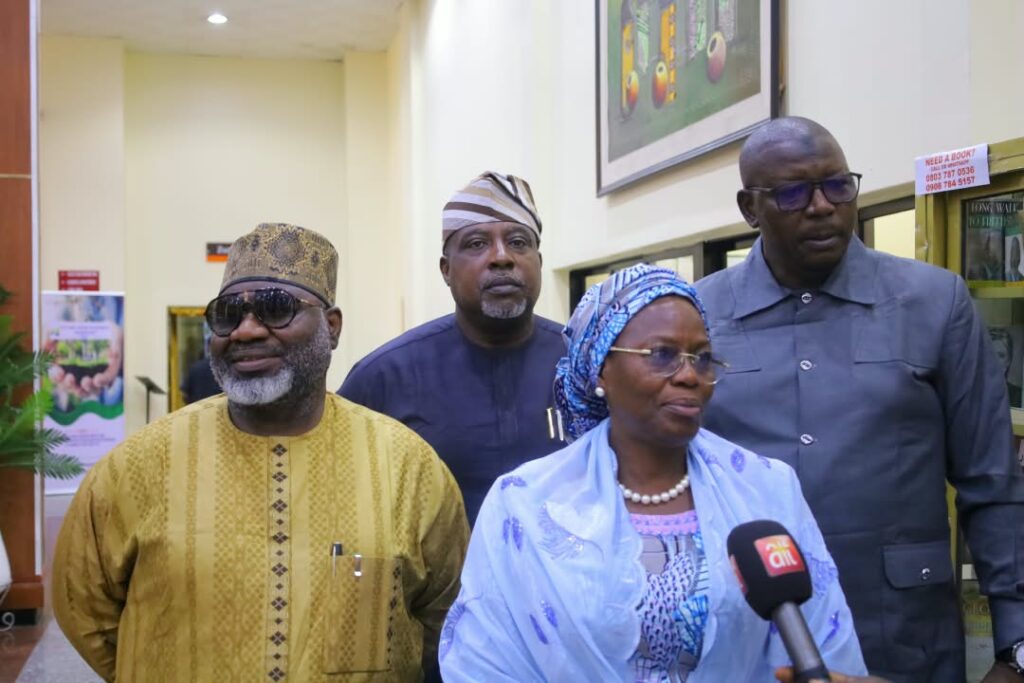
Delivering the key address on behalf of the FCT Minister, HE Nyesom Wike, Acting Head of Service, FCT, Mrs. Nancy Sabanti Nathan, disclosed that the rapid expansion of the nation’s capital has placed immense pressure on existing infrastructure.
This growth has amplified the demand for efficient transit systems, cleaner energy solutions, and a climate-resilient urban framework.
Highlighting the major investment proposals on the table, Mrs. Nathan outlined an integrated e-mobility proposal valued at approximately $1.5 billion submitted by Magnifique Integrated Concept Limited and its Consortium partners
The ambitious project envisions electric mass transit fleets, cleaner vehicle technologies, widespread charging infrastructure, supporting energy systems, and modern digital transport services across the Territory.
Additionally, she revealed that a second proposal was submitted by Hallmark Technologies and General Services Ltd, which focused on converting the Territory’s waste into usable assets through comprehensive waste-to-wealth systems.
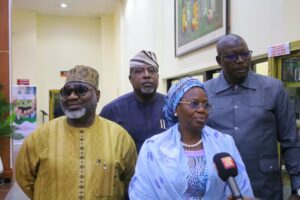
Addressing journalists on the sidelines of the roundtable, Mrs. Nathan lamented the environmental impact of aging vehicles operating on FCT roads, directly linking heavy vehicular emissions to the extreme weather conditions experienced in the capital this year.
She assured residents that the proposed green initiatives are designed to deliver immediate, practical benefits to the everyday citizen on the streets rather than serving as elite policy discussions.
The Head of Service emphasized that the e-mobility transition will target peak-hour commute challenges in high-density pockets across the city, deploying clean compressed natural gas (CNG) and electric buses to move commuters quickly and safely.
She furthermore disclosed that incoming transport operators will integrate smart tracking technologies into public vehicles to curb the menace of “one-chance” violent transport crimes.
According to her, the waste management proposal by Hallmark Technologies and General Services Ltd will yield biocompost to boost agricultural productivity within surrounding FCT farming communities.
Mrs. Nathan noted that the FCT Administration is preparing extensive public sensitization campaigns to educate residents on protecting new green infrastructure, warning that community buy-in is vital to prevent vandalism and ensure project sustainability.
She confirmed that the FCTA is gearing up to showcase these bankable project portfolios at a dedicated side event during the upcoming COP31 summit.
Reinforcing the administration’s public-private framework, the Economic Planning, Revenue Generation, and Public-Private Partnership Secretariat reiterated its commitment to structuring commercially viable, transparent, and legally sound PPP models.
The Secretariat emphasized that while private capital is urgently required to drive economic diversification and infrastructure modernization, all incoming projects—including the $1.5 billion e-mobility proposal—will undergo strict technical feasibility assessments, proper risk allocation, and statutory regulatory compliance to protect public interest.
Earlier in his welcome address, the Chairman of the FCT Green Bond Committee and Permanent Secretary of the Treasury and Budget Department, Adamu Ibrahim Wanki, explained that the roundtable was convened directly to build on momentum gathered from the FCT’s participation at COP30 in Belém, Brazil.
He noted that the committee’s focus is to transition non-binding expressions of interest into concrete, bankable projects. Wanki urged participating development finance institutions, private investors, and regulatory bodies to establish clear timelines, institutional responsibilities, and financing arrangements to fast-track project readiness.
In a goodwill message delivered on behalf of the Director General of the National Council on Climate Change (NCCC), Mrs. Omotayo Newe Majeekodumi, the Head of Climate Finance at the NCCC, Ms. Benny Ejiofor, emphasized that Nigeria’s third Nationally Determined Contributions (NDC 3.0) outlines a total national climate financing target of $337 billion between 2026 and 2035.
Commending the FCTA for demonstrating subnational climate leadership, Ejiofor stressed that success will depend on moving beyond policy talks to achieving financial close on investment-ready projects.
She reaffirmed the NCCC’s commitment to supporting the FCTA through blended finance structures, green bond instruments, and concessional climate finance frameworks to ensure the capital serves as a national benchmark for climate-smart urban development.
A communique drawn at the end of the roundtable disclosed that it was organized to provide a platform for government and financial institutions, development partners, private sector investors, and project developers to explore investment opportunities and mobilize financial and technical resources for green infrastructure and sustainable e-mobility in the Federal Capital Territory.
Reading the communique, Secretary, FCT E-Mobility Implementation Committee, Dr. Uwem Useh, stressed that the event provided the opportunity to “explore practical ways of developing bankable projects in areas such as electric mobility, renewable energy, waste management, waste-to-energy, and climate-resilient infrastructure.”
The document further stated that securing private sector buy-in requires regulatory frameworks, operational incentives, and innovative risk-sharing mechanisms to de-risk green transit investments.
Presentations at the event focused on circular economy solutions, outlining plans to turn municipal waste into economic assets through advanced sorting, recycling, composting, and waste-to-energy power generation.
Pointing to current challenges -such as inadequate collection systems, minimal waste segregation, and funding deficits- presenters advocated for private sector concession models, streamlined logistics, and improved material recovery infrastructure to build a commercialized waste management ecosystem across the territory.
In a vote of thanks, Secretary of the FCT Green Bond Committee, Obiora Ekueme, expressed the of committee’s gratitude to the FCT Minister, HE Nyesom Wike, “for his visionary leadership, commitment to sustainable development, and personal approval to convene the inaugural FCT Investment Roundtable.”
He also thanked all stakeholders, including the experts, financial and regulatory institutions, as well as investors, for their support.
Ekwueme emphasized the need to move beyond discussions and translate COP30 commitments into tangible investments and measurable development outcomes for the FCT, as he acknowledged everyone who put in an effort for the success of the event.