PRESIDENT TINUBU HAS BROKEN DECADES OF NEGLECT WITH YOUTH, WOMEN SECRETARIATS IN FCT-Wike
By: Wisdom Acka
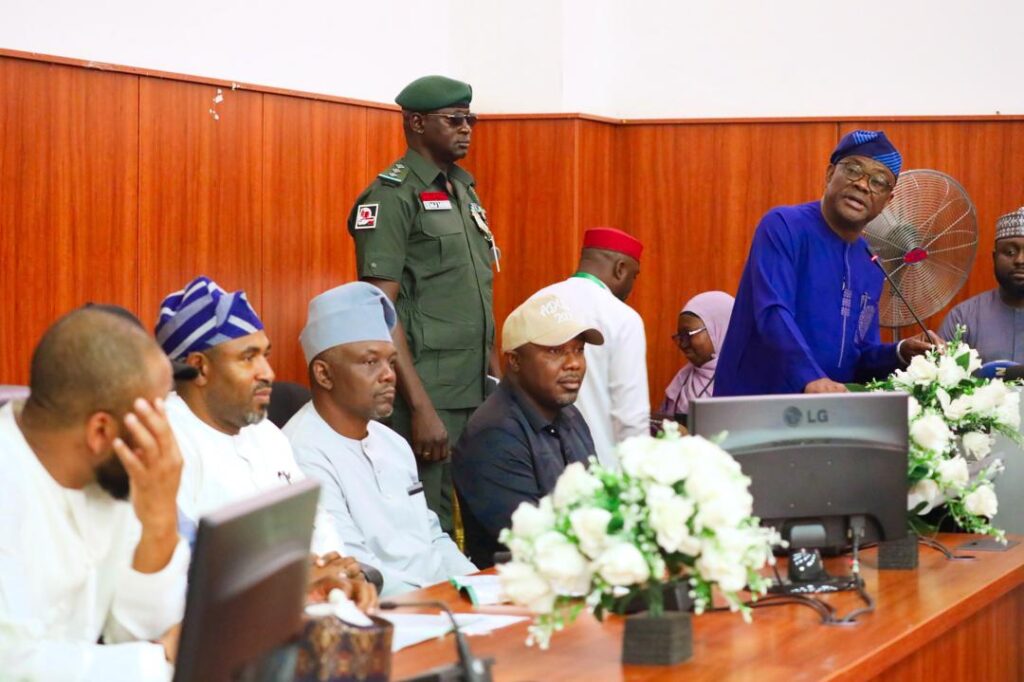
Minister of the Federal Capital Territory (FCT), HE Nyesom Wike, has credited President Bola Tinubu with ending decades of institutional neglect of youths and women in Abuja through the establishment of dedicated Youth and Women Affairs Secretariats.
Wike asserted on Wednesday, November 11, 2026, during an interactive session with FCT youths in Abuja.
He described the creation of the two secretariats as a landmark intervention, noting that since the establishment of the FCT in 1976, successive administrations had failed to provide dedicated administrative structures to address the needs and concerns of young people and women.
The minister challenged the youths to evaluate governments based on measurable achievements rather than political affiliations, social media commentary and campaign promises.
He questioned why previous administrations had not considered establishing dedicated platforms to give youths and women a meaningful role in the governance of the Territory.
According to Wike, the Tinubu administration has now laid an institutional foundation for sustained engagement, empowerment and development of the two groups.
He maintained that the secretariats should be viewed as deliberate governance reforms rather than political gestures.
The FCT minister also urged young people to distinguish between leaders who make promises and those willing to take difficult decisions for the country’s long-term benefit.
He cautioned against allowing social media narratives to determine political opinions, insisting that public office holders should be judged by their records and practical achievements.
Wike also defended the Federal Government’s economic reforms, particularly the removal of petrol subsidy, describing the decision as a courageous step that previous presidential candidates had been reluctant to take.
He argued that the subsidy regime had drained public resources that could otherwise have been channelled into critical sectors, including education and infrastructure.
The minister further maintained that subsidy removal had increased revenue allocations to state and local governments, giving them greater financial capacity to implement development projects and meet their responsibilities.
He also pointed to what he described as improved stability in the university system, noting the absence of recurring nationwide industrial strikes in recent years as an achievement worthy of recognition.
Wike stressed that meaningful economic reforms require courage, consistency and patience, adding that difficult decisions may initially attract criticism but could produce long-term benefits when properly implemented.
Meanwhile, FCT youth representatives used the engagement to present proposals and demands covering education, scholarships, employment, skills acquisition, transportation and the protection of indigenous communities.
President of the FCT Youth Network, Comrade Isaac David, disclosed that youth organisations had developed an FCT Youth Development Policy in partnership with international organisations, traditional institutions and other stakeholders.
He appealed to Wike to support the establishment of an FCT Education Trust Fund to mobilise additional resources for the education sector through contributions from corporate organisations and development partners.
David also called on FCT youths to support President Tinubu’s re-election bid in 2027, urging them to demonstrate their political commitment through their Permanent Voter Cards.
Similarly, youth leader Destiny Yamawo called for increased funding for the FCT Scholarship Board to enable more students to benefit from scholarship opportunities, including those seeking to study abroad.
He also advocated improved welfare for teachers under the Universal Basic Education framework to prevent industrial disputes that could disrupt academic activities.
On the ongoing review of the FCT Master Plan, Yamawo urged the administration to adequately accommodate indigenous communities in development plans and ensure appropriate compensation whenever relocation becomes unavoidable.
President of the Indigenous Youths of the FCT, Hassan Aliyu, appealed to Wike to intervene in the approval of scholarship applications submitted by FCT indigenes, saying the list of successful applicants had reportedly been forwarded to the minister’s office.
Aliyu also requested dedicated buses to facilitate students’ participation in academic conferences, leadership programmes and other educational activities.
Chairman of the FCT Youth Wing of the Christian Association of Nigeria, Apostle Peter Anyebe, commended Wike’s infrastructure and urban renewal projects, describing the transformation of Abuja as visible.
His counterpart in the Muslim youth organisation, Adam Ahmed, also praised the minister’s development record, referencing his achievements as former Rivers State governor and ongoing infrastructure projects in the FCT.
The youth representatives expressed their willingness to work with the FCT Administration to translate the proposals and recommendations presented at the meeting into practical initiatives that would expand opportunities and improve living conditions for young people across the Territory’s six area councils.