FCTA EMPOWERS 30 FRONTLINE HEALTH WORKERS TO BRIDGE MENTAL HEALTH GAP IN AMAC, BWARI.
By: Khadijat Kawunda
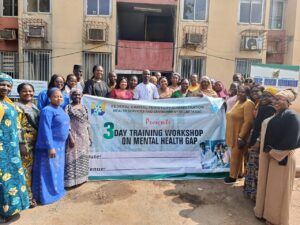
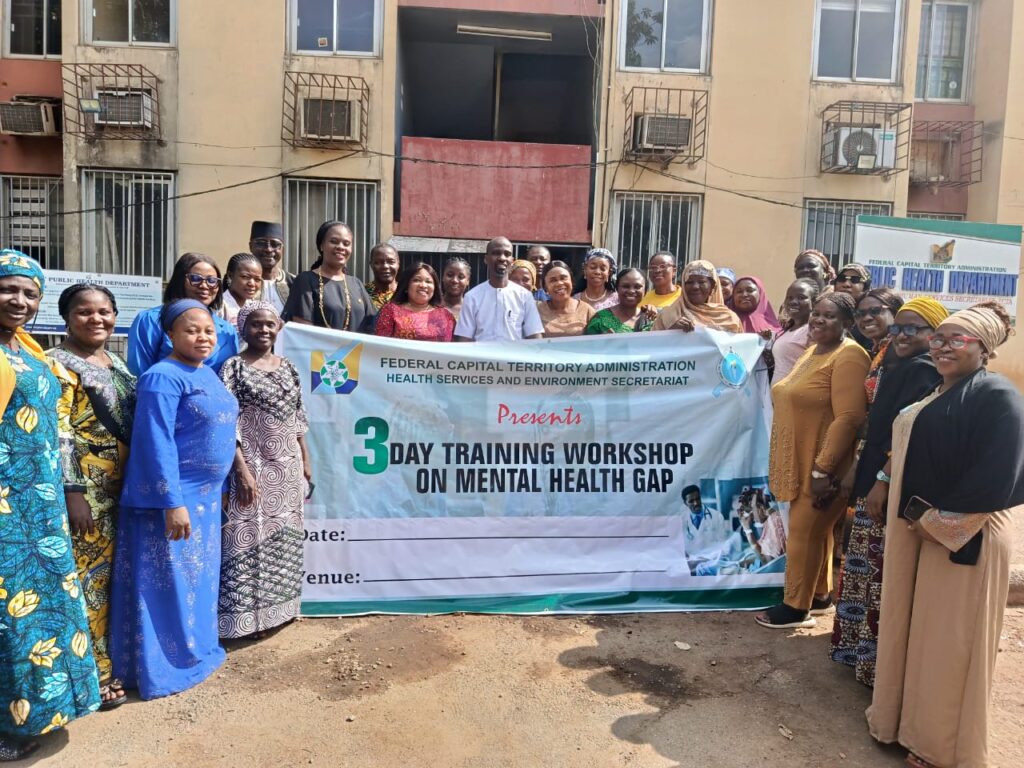
In a strategic move to decentralize mental health services and bring care closer to the community, the Mental Health Unit, Public Health Department of the Health Service and Environment Secretariat, Federal Capital Territory Adminstration(FCTA), has successfully concluded a specialized three-day intensive training for non-specialist healthcare workers.
The training, which focused on the Mental Health Gap Action Programme (mhGAP), took place from March 25th to 27th, 2026, at the Public Health Department in Garki, Abuja.
The mhGAP is a World Health Organization (WHO) tool adopted by Nigeria to bridge the significant gap in mental health service delivery.
By equipping non-specialists such as nurses, midwives, and community health officers with psychiatric care skills, the FCTA aims to ensure that mental health is no longer confined to specialized institutions but is available at the Primary Healthcare (PHC) level.
A total of 30 participants were drawn from the Bwari and AMAC Area Councils, including: Community Health Extension Workers (CHEWs),Nurses and Midwives, Community Health Officers (CHOs), and Frontline healthcare providers.
The training adopted a hands-on, participatory approach, utilizing role plays, clinical demonstrations, and case studies to simulate real-world scenarios.
Participants were trained to identify, manage, and refer priority Mental, Neurological, and Substance use (MNS) conditions.
Key modules covered during the sessions included Common Disorders such as Depression, Anxiety, Psychosis, and bipolar disorders.
Specialised care, which includes alcohol and substance use disorders, dementia, and child/adolescent mental health. Crisis management by Identifying signs of Self-Harm and suicide and neurological care, which is the management of epilepsy.
One of the primary objectives of the program is to create a seamless referral pathway. Trained workers are now equipped to stabilize patients at the community level before referring complex cases to tertiary institutions such as Karu Behavioral Hospital, Federal Medical Center, National Hospital, and University of Abuja Teaching Hospital, Gwagwalada.
The training is expected to improve participants’ knowledge, marked by an increase in clinical assessment skills. Meanwhile, every participant is expected to develop a localized implementation strategy for their specific facility.
Additionally, mhGAP manuals and job aids were provided to ensure post-training sustainability.
The three-day exercise marks a pivotal step toward the FCTA’s goal of integrating mental health into primary healthcare, ensuring that every resident of the FCT, regardless of location, has access to quality, compassionate mental health services.