FCTA INAUGURATES EYE CARE COMMITTEE TO COMBAT AVOIDABLE BLINDNESS
By: Khadijat Kawunda
In a landmark move to strengthen the healthcare system in the nation’s capital, the Federal Capital Territory Administration (FCTA), through its Health Services and Environment Secretariat, has officially inaugurated the FCT Eye Care Committee.
The initiative aims to provide a coordinated response to the rising cases of visual impairment and ensure that quality eye care services reach every resident, from the city center to remote communities across the six Area Councils of the FCT.
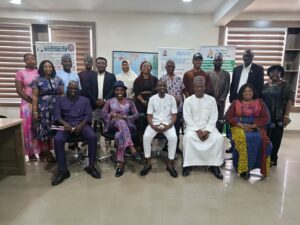
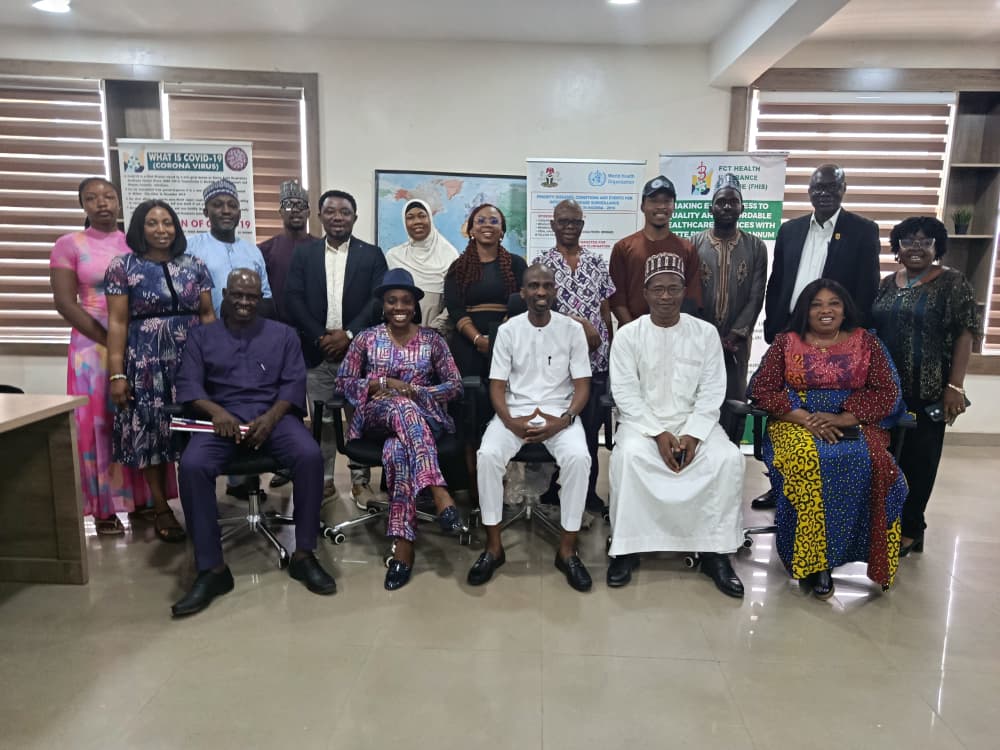
The inauguration ceremony, held at the Emergency Operations Center (EOC) in Area 11, Garki, featured key health officials and stakeholders. The Mandate Secretary of the Health Services and Environment Secretariat, Dr. Adedolapo Fasawe, who was represented by Dr. Dan Gadzama, Director of the FCT Public Health Department, emphasized that the committee’s primary mandate is to integrate eye care into the existing Primary Health Care (PHC) framework.
This approach is expected to decentralize services, making it easier for residents in rural areas to access screenings and treatment without traveling long distances to specialist hospitals.
In her address, Dr. Fasawe described vision as a “fundamental component of public health” and essential to human dignity and productivity. She highlighted the urgent need for coordinated action to address the burden of untreated eye conditions, ranging from refractive errors in children to vision loss among adults.
She added that the committee has been given clear objectives aimed at transforming eye care delivery in the FCT. These include providing strategic leadership for eye health services, enhancing collaboration among government agencies, healthcare providers, and development partners, and ensuring accessible and equitable services.
“Vision is a fundamental right, not a luxury, by establishing this committee, we are launching a systematic attack on preventable blindness, including cataracts and glaucoma, which significantly affect the productivity of our citizens.” She added.
Dr. Fasawe urged committee members to embrace bold thinking and decisive action, stressing that the ultimate goal is an FCT where no child is hindered in school due to poor vision and no adult is forced into dependency from preventable blindness.
“That future is within reach, if we act together and act now.” She concluded.
Delivering the welcome remarks, Dr. Ngozi Ebisike, Head of the Disease Control Division in the Public Health Department, emphasized that eye health is a critical part of the broader public health agenda. She noted that visual impairment affects not only individuals but also has significant social and economic implications for families and communities.
Dr. Ebisike described the committee members’ selection as a reflection of their expertise and dedication, encouraging them to work collaboratively and innovatively to achieve measurable improvements in eye care outcomes.
“Together, we can build a system where no one suffers needlessly from preventable or treatable eye conditions,” she said.
In his remarks, Dr. Lasisi Akinola, Chief Consultant Ophthalmologist at Kubwa General Hospital and Chairman of the newly inaugurated committee, called for a transformative approach to eye care delivery across the FCT. He emphasized the importance of stakeholder support and partnerships in achieving the committee’s objectives.
He reiterated that the committee exists to serve all residents of the FCT, regardless of socioeconomic status, ensuring equitable access to quality eye care services.
Dr. Akinola affirmed that under his leadership, the committee would work tirelessly to bring “light, clarity, and hope” to residents, with the aim of eliminating preventable blindness in the nation’s capital.
The committee is composed of medical experts, public health professionals, development partners, and policy planners committed to improving eye health outcomes across the FCT.