REVENUE HARMONIZATION: FCT-IRS, NRS CHART PATH FOR EFFICIENT TAX COLLECTION
By: Wisdom Acka
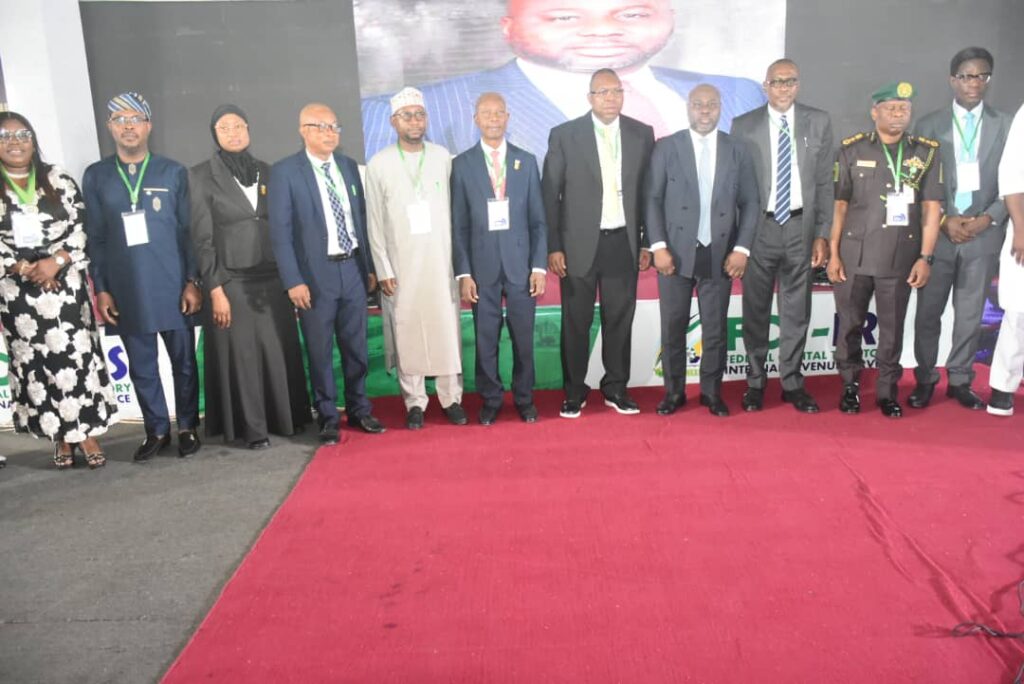
In a landmark stakeholders’ engagement forum themed “Harmonizing Revenue Systems and Implementing New Tax Laws,” top revenue chiefs outlined bold visions to streamline tax administration in the Federal Capital Territory (FCT) and align with national fiscal reforms.
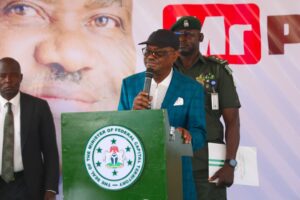
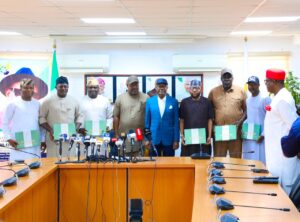
The event, held on Monday, 16th February, 2026, in Abuja, featured pivotal addresses by the Executive Chairman of the FCT Internal Revenue Service (FCT-IRS), Michael Ango, and the Executive Chairman of the Nigeria Revenue Service (NRS), Dr. Zach Adedeji.
Ango emphasized that harmonization, which is a core focus of the forum, is not a power grab but a push for efficiency.
“We are creating a system where revenue grows as constitutionally mandated, but collection becomes seamless,” he stated.
With the FCT marking 50 years since its conceptualization in 1976, Ango stressed the urgency of infrastructural funding. He praised the FCT Minister, Barrister Nyesom Wike, for driving investments in roads, hospitals, and schools, while noting that the FCT-IRS’ role is to ensure sustainable revenue for these projects.
Though he declined to specify timelines for domesticating new tax laws, Ango assured stakeholders that collaboration with the legislature was underway.
He also dismissed claims of excessive FCT revenue, revealing a fivefold increase in collections early in 2026 compared to 2025, but cautioned, “Revenue is never enough.”
On overlapping taxes, he confirmed that Wike-led initiatives are resolving conflicts among FCT stakeholders, with the FCT-IRS at the helm.
The NRS Executive Chairman, Dr. Adedeji, who presented President Bola Tinubu’s fiscal agenda, described the forum as “timely and strategic.”
He underscored the need for policy coherence and inter-agency collaboration, warning that fragmented systems “undermine compliance and raise business costs.”
Describing the FCT as a symbol of Nigeria’s governance, Adedeji advocated a digital revolution, declaring, “Modern tax systems are data-driven. Manual inefficiencies must edrawn
Major key proposals drawn during the forum include integrated databases, e-payment platforms, and real-time analytics to curb leakages.
Adedeji hailed the new harmonization laws as tools to eliminate multiplicity of taxes, particularly for SMEs, and urged subnational authorities to domesticate these reforms.
“Revenue mobilization must be rules-based and transparent,” he asserted, commending the FCT Minister and FCT-IRS for fostering dialogue.
The two chairmen agreed that harmonization hinges on legislative clarity, technology, and stakeholder buy-in.
As the FCT strides toward its golden jubilee, the duo expresses hope that the forum’s outcomes would set a benchmark for Nigeria’s fiscal future, one where efficiency meets equity, and revenue fuels a “livable, thriving Federal Capital Territory.”