SEY-CECILIA FOUNDATION PARTNERS WITH AEA TO EMPOWER 200 WIDOWS, VULNERABLE WOMEN IN FCT.
By: Emmanuel Tortiv
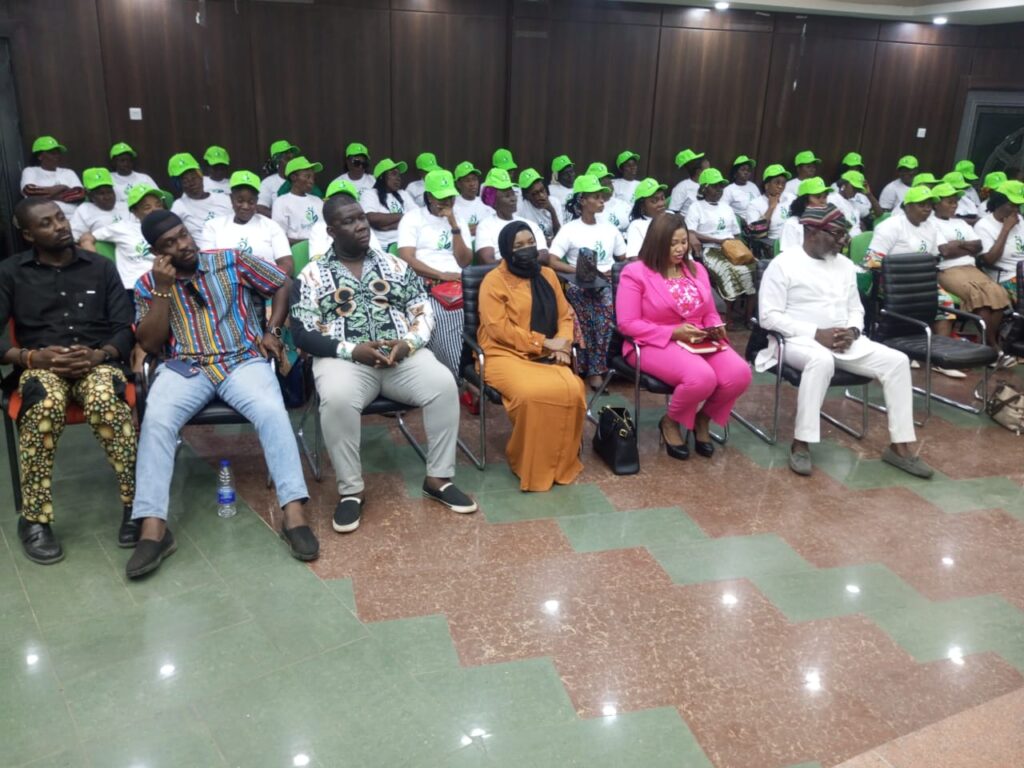
A non-profit organisation, Sey-Cecilia Foundation, in partnership with the Abuja Enterprise Agency (AEA), has launched Project Arise, a flagship empowerment initiative targeting at least 200 widows and vulnerable women in the Federal Capital Territory (FCT).
The five-day training programme, which commenced on February 9, 2026, at the AEA Headquarters in Jahi, Abuja, is designed to equip beneficiaries with practical business skills, mentorship, and entrepreneurial support to enable them build sustainable livelihoods and achieve long-term economic independence.
Speaking at the opening ceremony, the Acting Managing Director/Chief Executive Officer of AEA, Dr. Chudi Ugwuada-Ezirigwe, commended the Foundation for the strategic collaboration, noting that the initiative aligns with the Agency’s policy direction, which places 70 percent emphasis on rural dwellers, particularly vulnerable women.
He reaffirmed AEA’s commitment to the programme, stating that the Agency would provide technical, institutional, and logistical support throughout its duration to ensure participants derive maximum value from the training.
Dr. Ugwuada-Ezirigwe also expressed appreciation to the Minister of the FCT, Barrister Ezenwo Nyesom Wike, and the Minister of State, Dr. Maryam Mahmoud, for their continued support in enabling the Agency to execute its mandate, particularly in ensuring that women are not excluded from economic opportunities.
In her remarks, the Founder and Chief Executive Officer of Sey-Cecilia Foundation, Oluwaseye Babatunde, reiterated the organisation’s commitment to advancing the economic and social empowerment of underserved women across Nigeria.
She observed that Nigeria’s prevailing economic realities—characterised by rising living costs, limited access to capital, and shrinking livelihood opportunities—have made targeted investments in women both necessary and urgent.
According to Babatunde, empowering women with relevant skills and entrepreneurial capacity remains one of the most effective pathways to strengthening families, communities, and local economies.
“Project Arise represents our belief that when women are given the right tools, training, and support systems, they not only transform their own lives, they uplift entire communities,” she said.
She added that the Foundation remains focused on designing programmes that move beyond short-term relief to building lasting economic resilience among women.
Babatunde further emphasised the importance of strategic partnerships, describing collaborations with institutions such as AEA as critical to scaling impact and ensuring interventions are practical and results-driven.
Some beneficiaries also expressed appreciation for the initiative.
A first-time participant, Mrs. Naomi Ekoja, said she was determined to apply the skills acquired during the training to improve her livelihood and support her children.
Similarly, a returning beneficiary, Madam Christiana Modupe-Oshori, expressed optimism that the programme would positively transform her economic situation.
She encouraged fellow participants to maximise the opportunity by paying close attention during all training sessions.
Project Arise runs from February 9 to 13, 2026, featuring hands-on training in income-generating skills such as soap making, confectionery production, leather works, and other market-relevant vocational trades.
Beneficiaries will also receive mentorship, basic business management guidance, and entrepreneurial support to help them start, structure, and sustain their enterprises.
Beyond immediate income generation, the programme aims to strengthen participants’ long-term capacity to engage meaningfully in the local economy, access markets, and build resilient micro-businesses.
The Sey-Cecilia Foundation is a Nigeria-based non-profit organisation committed to advancing the social and economic empowerment of underserved women and vulnerable communities.
Through strategic partnerships with public institutions, private sector actors, and development stakeholders, the Foundation implements interventions focused on skills development, entrepreneurship, livelihood creation, and capacity building with a strong emphasis on sustainability and measurable impact.