UNICAL ALUMNI CLUB HONOURS FIVE FCTA DIRECTORS, CHARGES GRADUATES ON SAVING MEDICAL COLLEGE
By: Wisdom Acka and Akuta Shedrack
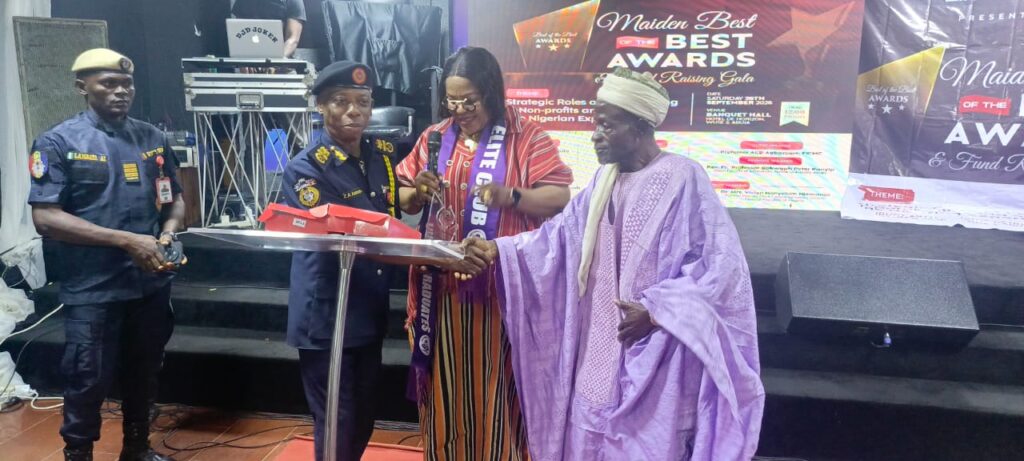
Five directors of the Federal Capital Territory Administration (FCTA) were among approximately 20 distinguished personalities honored with the “Best of the Best” awards by the University of Calabar Graduates Elite Club, Abuja, during its annual summit and fundraising dinner held on Saturday, September 26, 2026, in the nation’s capital.
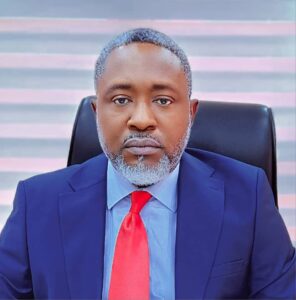
The awardees from the FCTA include the Director of Information and Communication, Mr. Anthony Ogunleye; Director of Reforms Coordination and Service Improvement, Dr. Jumai Ahmadu; Director of the FCT Education Resource Centre, Amb. Neemat Abdulrahim; Director of the FCT Fire Service, Engr. Adebayo Zacchaeus; and the Acting Managing Director/CEO of the Abuja Markets Management Limited (AMML), Mr. Onya Oniji.
In a special recognition of heroism, Lambata Abdul, a staff member of the FCT Fire Service and Aide-de-Camp to the Fire Director, was also conferred with an award. Abdul narrowly escaped death during a recent firefighting operation and had to be resuscitated en route to the hospital.
Delivering the welcome address, the President of the University of Calabar Graduates Elite Club, Abuja, Mrs Chioma Uzo-Udegbunam emphasized that the gathering was structured to inspire reflection, strengthen networks, and mobilise critical support for their alma mater.
She noted that the club intentionally framed the summit around two interconnected themes: alumni engagement beyond passive donations, and strategic fundraising mechanisms tailored to the Nigerian non-profit environment.
”The relationship between an institution and its alumni should not end at graduation; it must go beyond occasional donations or ceremonial visits. It should be about building a continuing and mutually beneficial relationship where alumni contribute their experience, expertise, networks, resources, and ideas,” she stressed.
Addressing the financial bottlenecks faced by educational and non-profit institutions, Uzo-Udegbunam stressed that strategic resource mobilization is vital for creating long-term institutional impact, especially within Nigeria’s economic landscape.
”For non-profits and start-ups, fundraising is not simply about asking for financial support. It is increasingly about strategy, credibility, partnerships, innovation, and sustainability,” the President added, urging alumni to view resource generation as a deliberate tool for capacity building.
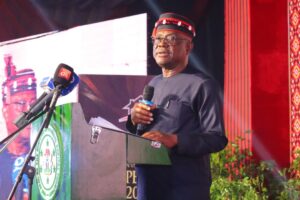
In his keynote presentation, the Dean of the Faculty of Education at Veritas University, Abuja, Prof. Peter Bakwaph, made a passionate call to all University of Calabar alumni and well-wishers to intervene urgently in the university’s infrastructure needs.
Speaking to newsmen on the sidelines of the event, Prof. Bakwaph revealed that UNICAL’s College of Medicine and Medical Sciences is currently facing severe operational challenges and requires immediate rehabilitation to maintain full accreditation within a six-month window.
”The university is in deep need of the resuscitation of her College of Medicine and Medical Sciences, where she has been under suppression for some time, and they are given six months to resuscitate it,” Prof. Bakwaph said. “There are lots of needs in terms of students’ hostels, facilities at the teaching hospital, transportation, and general infrastructure.”
Prof. Bakwaph called on former students and corporate partners to rally behind the institution, warning that failure to support medical education jeopardizes the nation’s healthcare delivery system.
Touching on broader educational trends, the guest lecturer raised concerns over declining reading habits among Nigerian youth, attributing part of the slump in national examination performances to digital distractions. He advised parents to guide their children on the disciplined use of smartphones and social media.
Furthermore, Prof. Bakwaph urged the Federal Government to increase its budgetary allocation to the education sector, draw lessons from other African nations like Kenya, and extend tertiary education scholarships to students in both public and private institutions. He maintained that sustainable funding, policy continuity across political administrations, and proactive welfare management remain essential to halting brain drain and avoiding incessant industrial actions in higher institutions