STAKEHOLDERS CALL FOR GREATER YOUTH PARTICIPATION IN NIGERIA’S DRUG ABUSE PREVENTION EFFORTS
By: Darlington Omotoso and Obed Sambe
Stakeholders in Nigeria’s fight against drug and substance abuse have called for increased youth participation in policymaking, improved access to rehabilitation services and stronger collaboration among government agencies, civil society organisations and local communities to tackle the growing challenge of substance abuse.
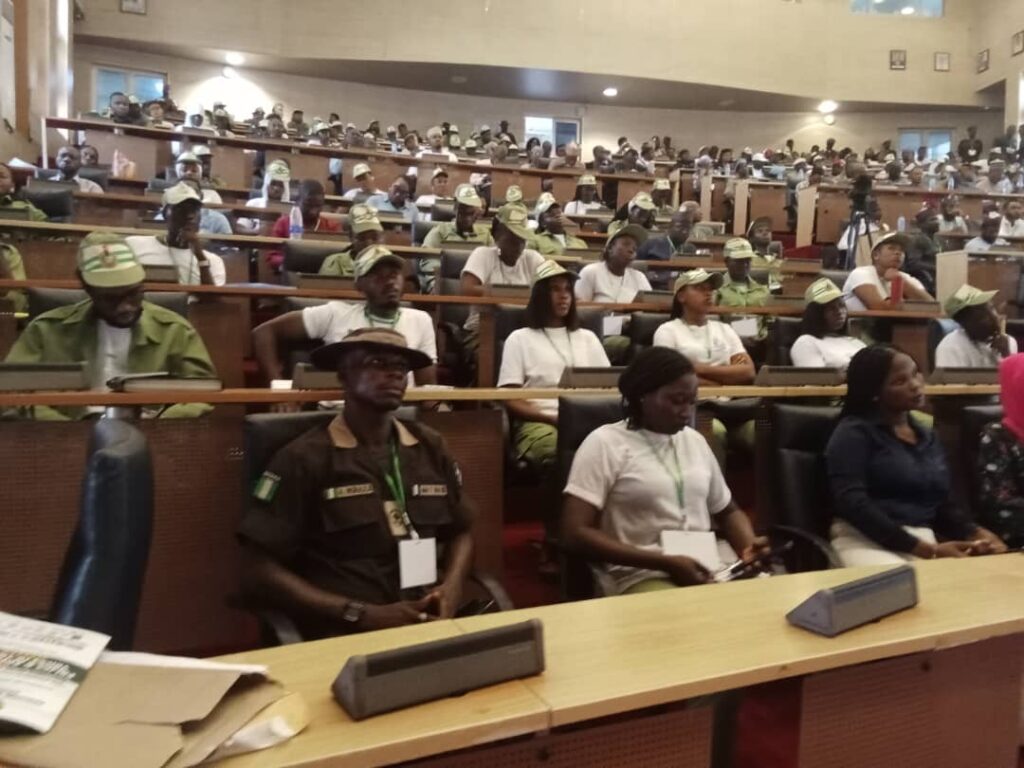
The call was made at the 12th National Youth Summit on Drug and Substance Abuse Prevention, held in Abuja, where participants stressed the need for a shift from predominantly enforcement-based approaches to inclusive, evidence-driven prevention strategies that empower young people to take active roles in addressing the problem.
The three-day summit, organised by the African Youths Initiative on Crime Prevention in collaboration with the Bureau of Public Service Reforms, was themed, “Policy and Advocacy: Youth Voices in the 2026–2030 Master Plan.”
The event brought together government representatives, drug prevention specialists, development practitioners, civil society groups and youth leaders from across Africa. The Federal Capital Territory Administration was represented by the Director of Youth Development, FCT Youth and Sports Development Secretariat, Mr Musa Mamman Lai, on behalf of the Acting Head of Service, Mrs Nancy Sabanthi Nathan.
Speaking at the summit, the Director-General of the Bureau of Public Service Reforms, Dr Dasuki Arabi, represented by the Director of Finance, Mrs Gloria Omenem, said addressing drug abuse required more than arrests, punishment and public condemnation.
He emphasised the need for sustained public enlightenment, early intervention, treatment, rehabilitation and social reintegration, urging stakeholders to ensure that policies produced measurable results.
Arabi also called for greater empowerment of young people as advocates, peer educators and active contributors to the development and implementation of sustainable drug prevention programmes.
He noted that tackling substance abuse required a coordinated approach involving families, schools, healthcare providers, security agencies and local communities.
Similarly, the Founder and Executive Director of the African Youths Initiative on Crime Prevention, Chris Ibe, described drug abuse as a collective challenge requiring sustained advocacy, public awareness and compassionate support for affected individuals.
He urged state governments to appoint designated officers and establish dedicated drug demand reduction programmes to strengthen national efforts.
Ibe further stressed that young people needed access to reliable information, mentorship, life skills and meaningful opportunities to prevent experimentation with drugs from progressing into dependence.
In a presentation titled, “Making Healthy Choices: Preventing Drug Use and the Risk of Synthetic Drugs Among Young People,” the Deputy Commander of Narcotics and Director of Treatment and Referral Services at the National Drug Law Enforcement Agency (NDLEA), Mrs Etuka Chizoba Ifeopa, highlighted the importance of equipping young people with practical knowledge to resist peer pressure and misinformation about drugs.
She disclosed that the NDLEA had established 36 treatment facilities nationwide, including in the Federal Capital Territory, but noted that increasing demand was putting pressure on available admission spaces.
Ifeopa encouraged young people to make informed decisions when confronted with social pressure, curiosity and misleading information, warning that substances often perceived as harmless could become dangerous when misused.
She maintained that effective prevention must begin with informed personal decisions, responsible behaviour and access to appropriate treatment and support services.
Also speaking, the NDLEA Chairman, Brigadier General Buba Marwa, represented by the Director of Media and Advocacy, Femi Babafemi, maintained that enforcement efforts alone could not eliminate drug abuse without meaningful youth participation.
Marwa urged young people to take ownership of prevention campaigns in their schools and communities, equip themselves with accurate information and challenge the growing glorification of substance abuse on social media.
He also advocated a compassionate approach towards individuals experiencing drug dependence, stressing the importance of treatment, recovery support and social reintegration rather than stigma and discrimination.
Contributing to the discussions, the President of the Africa Centre for Health Law and Development, Barrister Eze Eluchie, examined Africa’s response to drug abuse and illicit trafficking in a presentation titled, “Africa and the Fight Against Drug Abuse and Illicit Drug Trafficking: The Role of the Eindhoven Declaration.”
He called for stronger international cooperation, global commitments and recognition of collective rights in addressing drug-related challenges that extend beyond national borders.
On the role of technology in prevention, a Youth Leader of the African Union Youth Forum on Drugs, Mr Mukhtar Aliyu Usman, advocated the strategic use of digital platforms to deliver credible, evidence-based interventions to young people.
Presenting a paper titled, “Youth at the Centre of Digital Prevention: Promoting Evidence-Based Interventions Through Social Media,” Usman argued that conventional awareness campaigns were insufficient to achieve lasting behavioural change.
He called for digital prevention programmes that could effectively counter misinformation, challenge harmful social norms and promote responsible decision-making among young people.
Meanwhile, the Founder and Executive Director of Uganda Youth Development Link, Kampala, Uganda, Dr Rogers Kasirye, highlighted the importance of early intervention and diversion programmes for young people experiencing drug-related challenges.
He explained that appropriate diversion programmes could connect vulnerable youths to support services before their circumstances escalate into formal justice proceedings, thereby reducing social exclusion.
Kasirye also emphasised that young people should be recognised as essential partners in designing and implementing drug prevention initiatives rather than being treated merely as beneficiaries of such programmes.
Earlier, the keynote speaker and President of Genesis Process International, United States, Dr Alfred Dean Perry, highlighted the psychological and behavioural factors associated with addiction, stressing that sustainable recovery required addressing the underlying issues contributing to substance dependence.
In his presentation, “The FASTer Scale: A Tool for Preventing Relapse,” Perry explained that recovery programmes should help individuals understand their personal challenges, identify their values, discover their purpose and build healthy relationships.
He argued that effective rehabilitation must go beyond ending harmful behaviours to include rebuilding lives, restoring personal identity and strengthening individuals’ ability to reintegrate into society.
The discussions at the summit highlighted a common position among stakeholders: Nigeria needs a more inclusive, coordinated and compassionate response to drug and substance abuse.
Participants agreed that effective prevention must combine law enforcement with public education, scientific interventions, accessible treatment and rehabilitation, digital engagement and community-based support.
The summit is expected to strengthen stakeholder collaboration, encourage youth-led prevention initiatives and generate practical recommendations for Nigeria’s 2026–2030 National Drug Control Master Plan.
A major outcome of the deliberations was the renewed call for young people to move beyond being passive recipients of government policies and assume active leadership roles in shaping prevention strategies.
Stakeholders maintained that placing youth voices at the centre of policy formulation and implementation would be critical to building sustainable solutions to drug abuse and safeguarding Nigeria’s future.