FCTA INTENSIFIES FIGHT AGAINST MALARIA, URGES RESIDENTS TO ACCESS FREE PREVENTION, TESTING AND TREATMENT SERVICES
By: Prudence Okonna
The Federal Capital Territory Administration (FCTA) has intensified efforts to eliminate malaria in the territory, calling on residents, particularly pregnant women, to take advantage of free malaria prevention, testing and treatment services available at public health facilities.
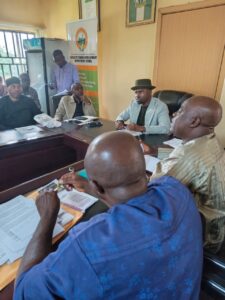
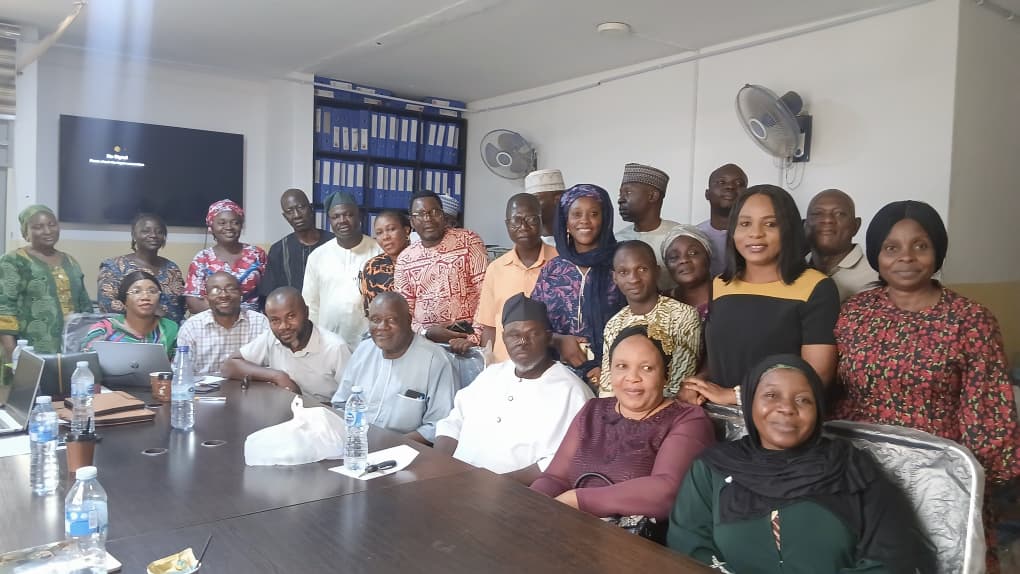
The call was made during the Advocacy, Communication and Social Mobilisation (ACSM) Core Group meeting organised by the Public Health Department of the Health Services and Environment Secretariat (HSES) held on Wednesday, July 1, 2026.
Stakeholders reaffirmed their commitment to strengthening community awareness and increasing the uptake of malaria interventions across the FCT.
Programme Manager, Malaria Elimination Programme, Hajiya Zainab Ibrahim, said the FCT was witnessing Renewed Hope in malaria control following increased support from the FCTA under the leadership of the Mandate Secretary, Dr Adedolapo Fasawe and the Honourable Minister of the FCT, Barr. Ezenwo Nyesom Wike.
She noted that for years, the FCT received limited malaria interventions but described the current level of support as a turning point in the fight against the disease.
“We have started seeing encouraging results since the commencement of the renewed malaria interventions. Although there are still challenges, the progress recorded so far shows that we are moving in the right direction,” she said.
Hajiya Ibrahim expressed concern over the low uptake of Intermittent Preventive Treatment in Pregnancy (IPTp), despite the service being provided free of charge in health facilities.
According to her, malaria remains one of the greatest health risks to pregnant women, making it imperative for expectant mothers to attend antenatal clinics early and consistently receive the recommended doses of preventive medication under Directly Observed Therapy (DOT).
She, however, lamented gaps in the documentation and reporting of IPTp administration, stressing that poor reporting undermines efforts to assess programme performance accurately.
The programme manager also identified inadequate community mobilisation as a major challenge, explaining that the vast geographical spread of many FCT communities limits the ability of community mobilisers to effectively reach all households.
She said implementing partners, including Famkris Health Initiative, are supporting the FCT Malaria Elimination Programme through community mobilisation, radio jingles and awareness campaigns to encourage residents to utilise free malaria services.
Hajiya Ibrahim further highlighted the introduction of a strengthened Grievance Redress Mechanism, which allows residents to report cases where they are denied free malaria services or subjected to unofficial charges.
She explained that complaint boxes in health facilities are now managed by Ward Development Committees rather than facility heads, while toll-free phone lines have also been provided to enable community members to report grievances for prompt investigation and action.
She assured residents that malaria testing, treatment with Artemisinin-based Combination Therapy (ACT), preventive treatment for pregnant women and Seasonal Malaria Chemoprevention (SMC) for eligible children remain free in public health facilities.
She disclosed that the first cycle of the ongoing SMC campaign recorded almost 100 per cent coverage, adding that preparations were also underway for a territory-wide insecticide-treated net distribution campaign expected to reach over four million residents.
“Our message to residents is simple: malaria services are free. Do not assume every fever is malaria. Visit a health facility, get tested and receive appropriate treatment. Pregnant women should attend antenatal clinics where malaria prevention medicines are provided at no cost,” she said.
Also speaking, Chairman of the FCT ACSM Core Group, Samuel Simon, called on all Nigerians to support government efforts by promoting accurate health information within their communities.
Simon noted that effective Advocacy, Communication and Social Mobilisation remain critical to addressing misconceptions, improving service uptake and ensuring that residents benefit from available malaria interventions.
He urged the media, religious leaders, civil society organisations, community groups and other stakeholders to sustain awareness campaigns, especially at a time when international donor funding for health programmes is declining.
“The government cannot do it alone. Every Nigerian has a role to play in promoting healthy communities. People should know that malaria testing and treatment, as well as many other public health services, are free in government facilities,” he said.
Earlier, ACSM Lead at the Public Health Department, Salamatu Nagogo, emphasised that communication and community engagement remain central to malaria elimination efforts.
She explained that while insecticide-treated nets, medicines and diagnostic tools are essential in combating malaria, adding that they can only achieve the desired impact if communities accept, demand and use them correctly.
Nagogo said the establishment of the ACSM Core Group would strengthen advocacy, promote collaboration among stakeholders, facilitate the sharing of best practices and mobilise greater resources for malaria interventions across the FCT.
She reaffirmed the group’s commitment to supporting the Roll Back Malaria partnership through coordinated advocacy and behaviour change communication aimed at accelerating malaria elimination in the Federal Capital Territory.
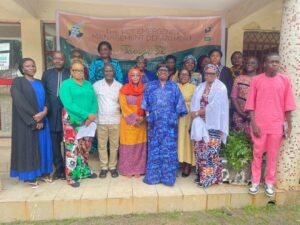
The meeting brought together Health educators, community mobilisers, Birth attendants, as well as Non-Governmental Organisations (FamKris Health Initiative and Sim Impacting Lives Foundation (SILF)) supporting ACSM activities in the six area councils of the FCT.