FCTA UNVEILS ₦41.2 BILLION STRATEGIC PLAN TO COMBAT HIV/AIDS
By: Khadijat Kawunda
The Federal Capital Territory Administration (FCTA) has reaffirmed its commitment to ending HIV/AIDS by 2030 with the unveiling of a comprehensive three-year strategic plan valued at ₦41.2 billion.
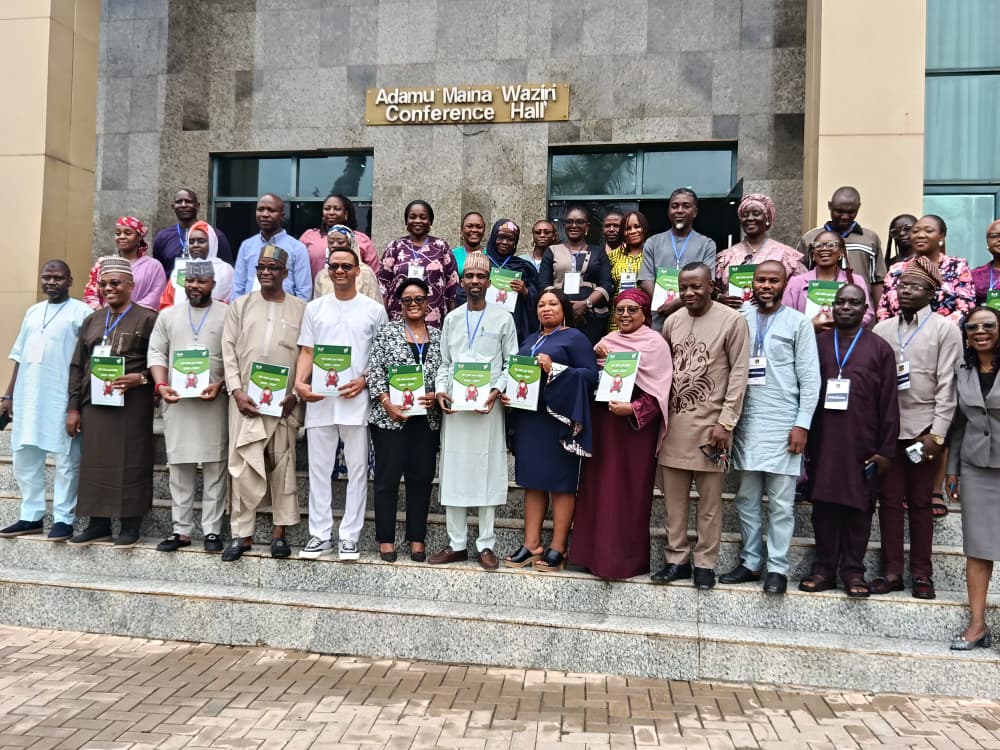
The FCT HIV and AIDS Strategic Plan (FSP) 2025–2027 was officially launched on Tuesday, May 19, 2026, during a stakeholders’ dissemination meeting in Abuja. The initiative was unveiled by the Mandate Secretary of the Health Services and Environment Secretariat (HSES), Dr. Adedolapo Fasawe.
Speaking at the event through the Acting Executive Secretary of the FCT Primary Health Care Board (FCT-PHCB), Dr. Dan Gadzama, Dr. Fasawe described the plan as a “roadmap to redemption” aimed at strengthening the FCT’s response to HIV/AIDS, which still records prevalence rates above the national average.
She noted that although the FCT has achieved a 100 percent Antiretroviral Therapy (ART) rate for identified patients, major gaps remain in reaching vulnerable populations.
“We are losing our men and boys. Only 32 percent of adults on treatment are men, while just 2 percent of children are currently receiving treatment,” she said.
According to her, the new strategy—dubbed the “Abuja Compact”—moves away from a one-size-fits-all approach and focuses on three key pillars. These include the use of detailed data to identify untreated children and men reluctant to seek care, while extending healthcare services directly to hotspots populated by sex workers and people who inject drugs.
The plan also emphasizes the Greater Involvement of People Living with AIDS (GIPA), empowering communities to lead at least 30 percent of testing services. It further seeks to reduce donor dependency through the establishment of the FCT HIV Trust Fund and increased financial commitments from Area Councils.
On funding, Dr. Fasawe disclosed that the plan would require ₦41.2 billion over three years, with projected costs increasing from ₦9.5 billion in 2025 to ₦16.6 billion by 2027. She, however, revealed that less than 2 percent of the required funds are currently secured, leaving a significant 98 percent funding gap.
She therefore called on the private sector, financial institutions, and other stakeholders to support the initiative, stressing that investing in HIV/AIDS control is critical to the health, productivity, and security of the FCT.
Earlier, the Programme Manager of the FCT Agency for the Control of AIDS (FACA), Dr. Doris John, described the strategic plan as a “recalibration” aligned with the national “Alignment 2.0” agenda, which promotes community-led interventions and local ownership.
Dr. John also urged the media to play a stronger role in combating stigma and raising awareness by sharing stories of hope instead of merely reporting statistics.
In his goodwill message, the Senior Programme Officer for Prevention, Care and Treatment at the Institute of Human Virology Nigeria (IHVN), Mr. Yaro Daniel, pledged continued technical support from development partners. He said efforts would focus on addressing the territory’s 98 percent pediatric treatment gap and expanding services targeted at men.
According to him, the “Abuja Compact” represents a major step toward local ownership, data-driven interventions, and achieving the global target of ending AIDS by 2030.
The dissemination meeting brought together representatives of the National Agency for the Control of AIDS (NACA), development partners, and networks of people living with HIV, all reaffirming their commitment to achieving an AIDS-free FCT by 2030.