FCTA MOBILIZES STAKEHOLDERS AHEAD OF 2026 MAM CAMPAIGN TO ELIMINATE SCHISTOSOMIASIS
By: Khadijat Kawunda
In a decisive bid to eradicate neglected tropical diseases across the nation’s capital, the Federal Capital Territory Administration (FCTA) Health Services and Environment Secretariat’s Public Health Department has called for a massive, united front among community leaders, health workers, and development partners. The call for closer synergy comes ahead of the 2026 Schistosomiasis Mass Administration of Medicines (MAM) campaign, which aims to safeguard vulnerable populations across the territory.
Schistosomiasis also known as bilharzia or snail fever, is a tropical parasitic disease caused by blood-dwelling flatworms (schistosomes). It is contracted by contact with contaminated freshwater larval parasites, released by infected snails, that penetrate the skin.
Speaking at the engagement, Dr. Teresa Nwachukwu, Director of the Public Health Department, underscored the weight of the upcoming intervention. Represented by Dr. Ngozi Ebesiki, Head of the Disease Control Division, She described the upcoming MAM campaign as a vital shield for vulnerable populations, emphasizing that collective action remains essential to eliminating the disease as a public health problem in the FCT.
Dr Nwachukwu highlighted that to guarantee that no eligible child is left behind during the deworming exercise, the FCTA and its partners are deploying a phased rollout strategy that transitions from high-level planning to grassroots mobilization for a smooth campaign.
The process began a week ago with a strategic planning meeting, where health experts and coordinators mapped out logistics, identified high-burden zones, and established strict protocols for medicine distribution. While the stakeholders engagement served as the next vital step, bringing together traditional rulers, religious leaders, media representatives, and education officials to secure institutional buy-in and align public messaging.
Earlier, the Public Health department had launched direct advocacy visits across all six Area Councils to lock in support at the local government level.
The 2026 campaign is zeroing in on children aged 5 to 14 years, targeting them both in their classrooms and within their immediate communities.
Programme Officer and FCT State Lead for the Health and Development Support Programme (HANDS), Achai Ijah, the key implementing partner, emphasized that community trust is the ultimate currency for public health success.
Ijah noted that by engaging ward development committee chairmen, persons with disabilities, and local coordinators during the upcoming MAM, the campaign will achieve the trusted, inclusive participation needed to ensure high treatment coverage across the territory.
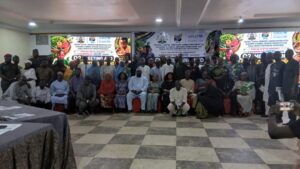
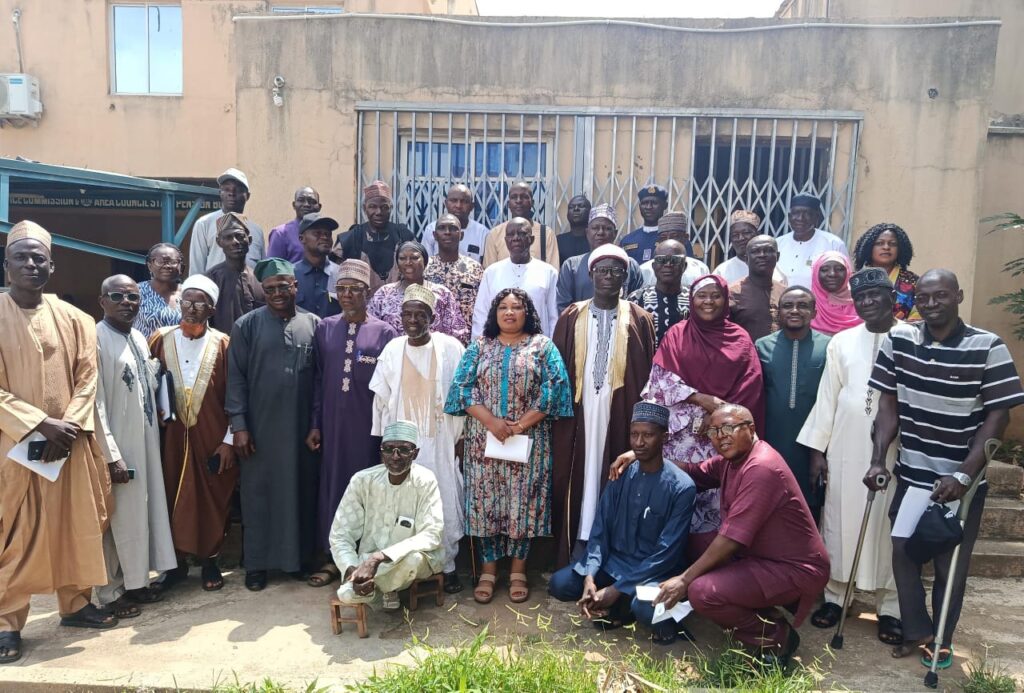
The Stakeholder meeting brought together representatives from the Rural Water Supply and Sanitation Agency (RUWASA), the National Association of Proprietors of Private Schools (NAPPS), Traditional Rulers and District Heads, People living with Disabilities, the State Universal Basic Education Board (SUBEB), the Primary Health Care Board (PHCB), and the Parent-Teacher Association (PTA).