WORLD MENSTRUAL HYGIENE DAY: FCTA HAILS CSHEEH AS KEY PARTNER IN ADVANCING GIRL-CHILD HEALTH
By: Prudence Okonna and Doris Jude
The Federal Capital Territory Administration (FCTA) has commended the Centre for School Health Education and Environmental Hygiene (CSHEEH) for its sustained interventions in promoting adolescent health, particularly menstrual hygiene education among schoolgirls in Abuja.
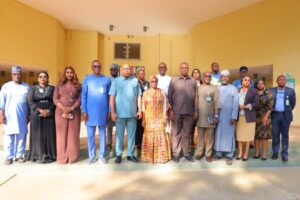
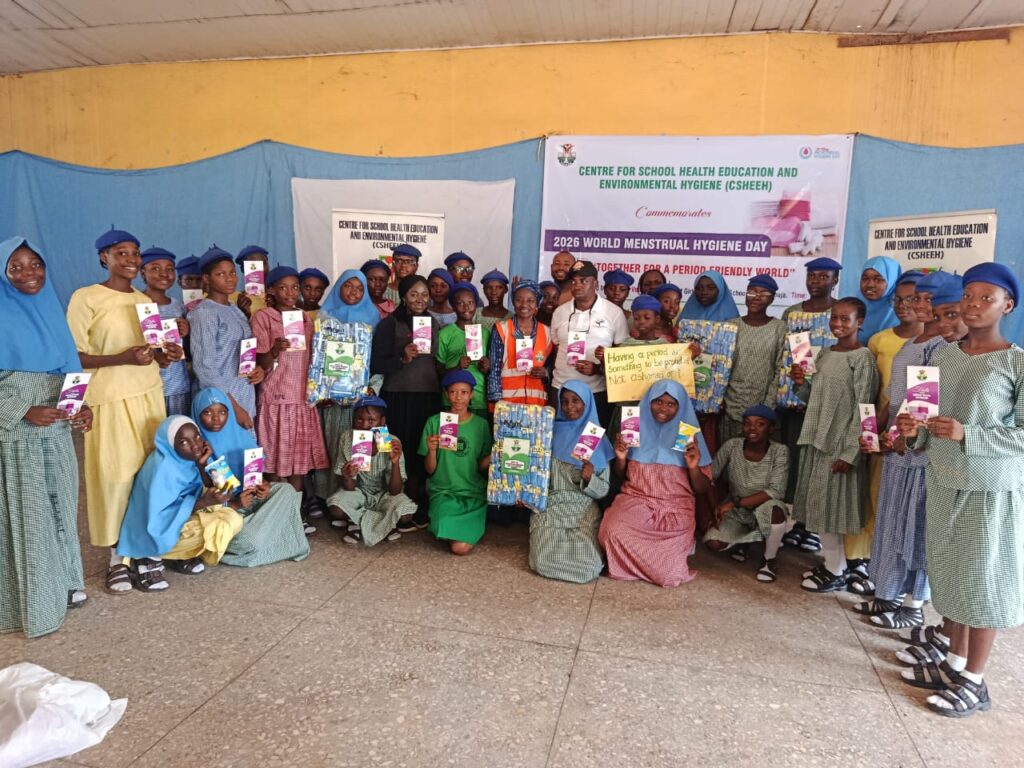
The commendation was delivered by the Deputy Director, School Health Education, Division of the FCTA Education Secretariat, Mr. Solomon Johnson, who represented the Mandate Secretary, Dr. Danlami Hayyo, at the World Menstrual Hygiene Day commemoration held at Government Girls Secondary School, Dutse on Saturday, May 23rd, 2026.
He described CSHEEH as a reliable and impactful partner whose programmes continue to strengthen school health systems and promote the dignity and well-being of the girl child.
Mr. Johnson said the Secretariat deeply appreciates the work of CSHEEH in creating awareness around menstrual hygiene management, breaking harmful cultural taboos, and ensuring that girls are better informed and more confident in handling their monthly cycles.
He noted that the organisation’s consistent school outreach programmes have helped reduce absenteeism among girls and improved participation in classroom activities during menstruation.
Johnson further praised the Executive Director of CSHEEH, Dr. Folasade Olusola Momoh, describing her as a passionate and selfless advocate for adolescent health whose commitment to vulnerable girls continues to stand out in the education and health space.
In her remarks, the Executive Director of CSHEEH, Dr. (Mrs.) Folasade Olusola Momoh, said the organisation remains committed to promoting the health and wellbeing of young people in schools and communities, especially the girl child.
She explained that CSHEEH, which has operated for over 10 years, has continued to partner with the FCT Education Secretariat, school authorities, health professionals, and other stakeholders to provide health education, WASH interventions, and dignity support programmes for students.
According to her, the 2026 World Menstrual Hygiene Day theme, “Together for a Period Friendly World,” calls for collective action toward ending stigma and creating safe and supportive environments where girls can manage menstruation with dignity and confidence.
Dr. Momoh stressed that menstruation should never prevent any girl from achieving her educational goals, noting that access to menstrual hygiene education and sanitary products directly contributes to improved academic performance and school attendance.
She called on government institutions, private organisations, faith groups, and individuals to support efforts aimed at making sanitary products more accessible and affordable for girls. She added that building a period-friendly society requires open conversations around menstruation and stronger support systems within homes, schools, and communities.
Also speaking at the event, Senior Education Officer of the Secondary Education Board, Zainab Nuhu, expressed delight at being part of the commemoration, describing menstrual hygiene as a critical component of health, education, and personal development.
She emphasized that when girls are properly supported with accurate information and access to sanitary materials, they are more likely to remain in school, build self-confidence, and excel academically. She commended the organisers and partners for their efforts in ensuring that the girl child is not disadvantaged due to natural biological processes.
In a similar vein, Dr. Clement Mary Dennis, a women’s health expert who delivered a health talk at the event, educated the students on proper menstrual hygiene practices, including safe use and disposal of sanitary materials, personal hygiene, and the importance of self-confidence during menstruation.
She urged the girls to see menstruation as a normal part of life and not a source of shame or embarrassment, encouraging them to prioritize their health and speak out when they need support.
The event featured interactive sessions where students were allowed to ask questions and clarify misconceptions surrounding menstruation, with health professionals providing practical and evidence-based responses.
Abuja Digest reports that sanitary towels and educational flyers were distributed to all participating students and staff as part of efforts to support menstrual hygiene management and ensure dignity for the girl child.
The commemoration also served as a call to action for stronger collaboration among government agencies, NGOs, schools, and development partners in addressing menstrual hygiene challenges. Stakeholders reaffirmed the need for sustained advocacy, improved access to affordable sanitary products, and continuous education to eliminate stigma and promote a period-friendly environment across schools in the FCT.