FCT EMERGES TOP PERFORMER IN MALARIA ELIMINATION PROJECT:
… Ranks First Among Focal States
By: Prudence Okonna
The Federal Capital Territory (FCT) has achieved a significant milestone in Nigeria’s fight against malaria, emerging as the top-performing state in the Islamic Development Bank (IsDB) Lives and Livelihoods Fund (LLF) Malaria Control and Elimination Project for the second semester of 2025.
According to findings from the Independent Verification Assessment (IVA) conducted across the project’s five focal states—Bayelsa, Edo, Enugu, Kogi, and the FCT—the territory recorded an impressive performance score of 78.0 percent between July and December 2025, earning the number one position for the first time since the project’s inception.
The achievement marks a notable improvement from the first semester of 2025, when the FCT scored 70.1 percent and ranked second among participating states. The latest assessment reflects the territory’s growing capacity to deliver quality malaria prevention, treatment, and health system strengthening interventions.
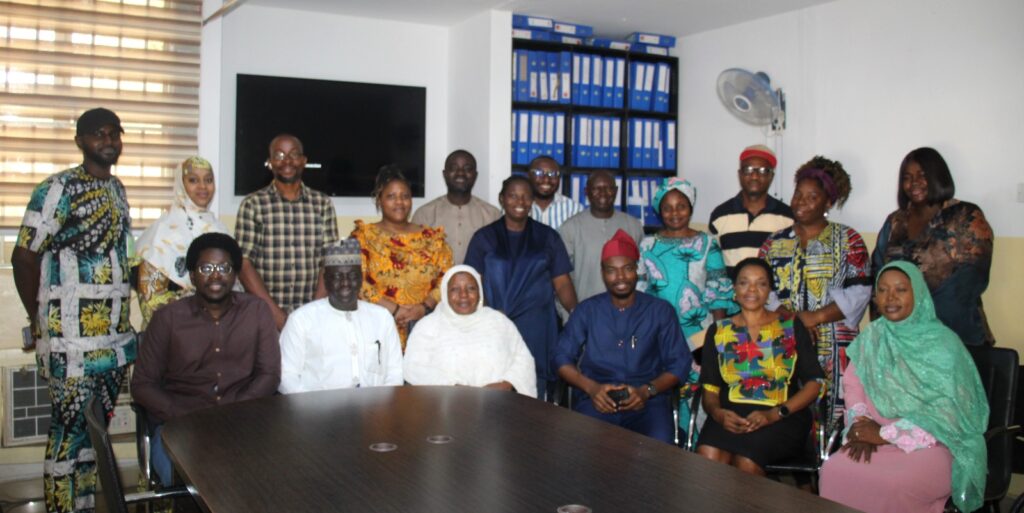
The IsDB-LLF-supported NGA1016 Malaria Control and Elimination Project is designed to accelerate malaria reduction through community and facility-based interventions implemented by Non-State Actors (NSAs). In the FCT, implementation is led by FAMKRIS Health Care Initiative (FHCI), which coordinates activities across health facilities and communities in the six Area Councils.
The Independent Verification Assessment reviewed 15 LLF-supported health facilities using nationally aligned indicators covering eight thematic areas, including Service Delivery, Health Worker Availability and Capacity, Supportive Supervision, Monitoring and Evaluation, Supply Chain and Logistics, Community Engagement and Grievance Redress, Healthcare Waste Management, and COVID-19 Prevention and Social Behavioural Change.
The assessment identified the FCT’s strongest performance in Service Delivery, Health Worker Availability and Capacity, and Supply Chain and Logistics, demonstrating that malaria services in the territory are operating from a stronger system base compared to other participating states.
While the report acknowledged the need for further improvements in Supportive Supervision, Monitoring and Evaluation, and Healthcare Waste Management, it concluded that the FCT possesses a relatively stronger implementation environment and better functionality across several critical programme areas.
Public health stakeholders have described the ranking as a major endorsement of the collaborative efforts between the FCT Administration, healthcare workers, communities, FAMKRIS Health Care Initiative, and development partners. The achievement also underscores the impact of sustained investments by the Islamic Development Bank through the Lives and Livelihoods Fund in strengthening malaria control systems and advancing Nigeria’s malaria elimination agenda.
As the project progresses, the FCT’s emergence as the highest-ranked implementing state is expected to serve as a model for other participating states and reinforce ongoing efforts to reduce the burden of malaria and improve health outcomes across the country.