FCTA, PARTNERS SLASH MALARIA BURDEN BY OVER 50% AS PREVALENCE DROPS TO 7.9%
By: Prudence Okonna and Khadijat Kawunda
The Federal Capital Territory Administration (FCTA) has recorded a breakthrough in malaria control, reducing prevalence from 18.8 per cent in 2021 to 7.9 per cent in 2025, representing a decline of over 50 per cent.
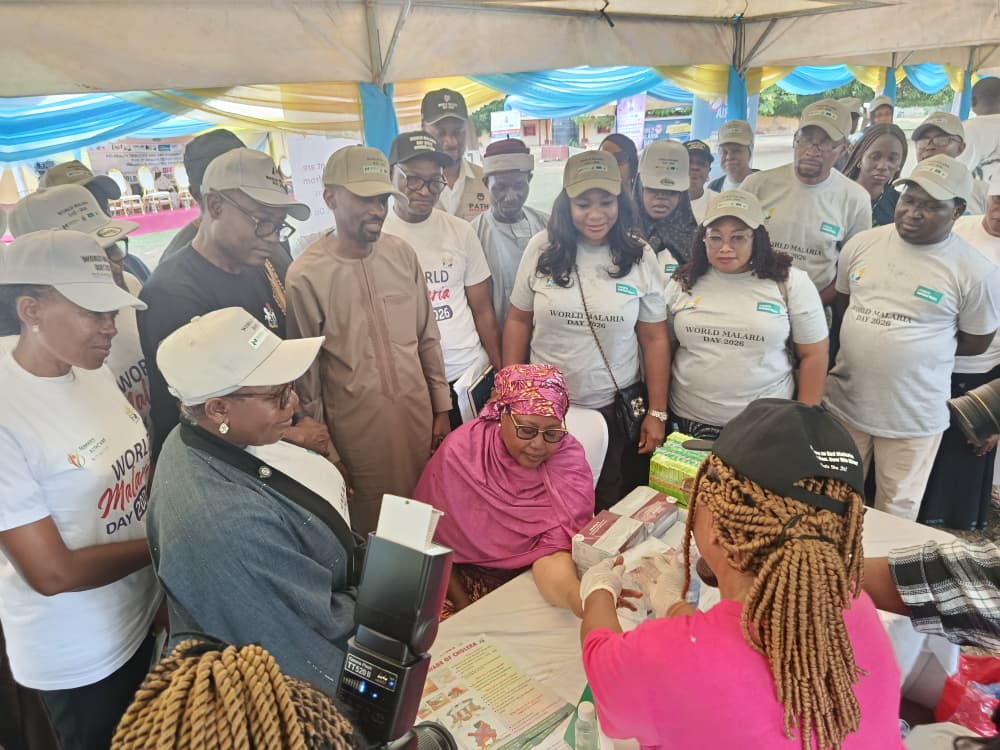
The Mandate Secretary, Health Services and Environment Secretariat, Dr. Adedolapo Fasawe, revealed this during the flag-off of the 2026 World Malaria Day on Saturday, April 25, 2026, at Government Secondary School, Life Camp.
Represented by the Executive Secretary of the FCT Primary Health Care Board (FCT-PHCB), she cited data showing a reduction in malaria prevalence in the FCT from 19 per cent in 2021 to 7.9 per cent in 2025.
This progress, she said, was driven by interventions such as Seasonal Malaria Chemoprevention supported by the Malaria Consortium and the Islamic Development Bank-backed elimination project implemented by FAMKRIS Healthcare Initiative.
She highlighted that the FCTA remains committed to strengthening malaria control through improved monitoring systems, scaled-up interventions, and partnerships at all levels. Despite the progress, she acknowledged that malaria remains a leading cause of hospital visits in the FCT, with rural and underserved communities still facing limited access to prevention and treatment.
Fasawe called on residents to take personal responsibility by adopting preventive measures such as sleeping under insecticide-treated nets, ensuring pregnant women receive preventive treatment during antenatal care, participating in Seasonal Malaria Chemoprevention programmes, maintaining clean environments, and seeking prompt testing and treatment.
Director of Public Health, Dan Gadzama, said the FCTA’s progress is anchored on strong partnerships and targeted interventions, particularly its collaboration with the Malaria Consortium, which has enhanced malaria prevention among children during peak transmission periods. He noted that scaling up community-based programmes has significantly improved outreach and access to life-saving services.
Gadzama added that support from partners, including FAMKRIS Healthcare Initiative, has ensured the availability of free antimalarial drugs and strengthened healthcare workers’ capacity to manage cases effectively.
Project Manager, FCT Malaria Elimination Programme, Hajiya Zainab Ibrahim, said the decline in malaria prevalence reflects the impact of sustained, multi-sectoral interventions targeting vulnerable populations, especially children under five and pregnant women. She noted that despite Abuja’s urban status, underserved communities remain at risk, requiring continuous intervention, including the training of health workers and improved logistics systems across facilities.
Clinical Manager, FAMKRIS, Aniefiok Akpasa, said interventions by partners have contributed to a steady reduction in malaria prevalence from 22 per cent in 2022 to 15.2 per cent in 2025, demonstrating that investments in testing and treatment are yielding results. He noted that improved access to diagnosis and effective drugs has played a key role in reducing the disease burden.
He commended the FCTA for fostering collaboration and creating an enabling environment for impactful interventions, stressing that sustained funding, innovation, and community engagement are essential to maintaining progress and achieving malaria elimination in the FCT.
West and Central Africa Programme Director, Kolawole Maxwell, commended the FCTA and its health agencies for their sustained efforts in malaria control. Represented by Technical Specialist, PFSMC Project, Dr Jennifer Chukwumerije, he reaffirmed the organisation’s commitment to supporting government-led malaria programmes through evidence-based interventions, partnerships, and capacity building.
He also revealed plans by the Malaria Consortium to support the FCT with insecticide-treated nets while strengthening integrated healthcare solutions and community engagement.
Abuja Digest reports that World Malaria Day is marked annually on April 25, with the 2026 theme: “Driven to End Malaria: Now We Can, Now We Must.” The flag-off event provided an opportunity to educate residents, conduct free malaria testing, distribute drugs, and facilitate enrollment into the FCT Health Insurance Scheme.