DIETETICS CRITICAL TO NIGERIA’S HEALTH SECURITY, HUMAN CAPITAL DEVELOPMENT – MAHMOUD
By: Austine Elemue
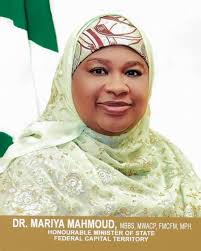
The Minister of State, Federal Capital Territory (FCT), Dr Mariya Mahmoud, has underscored the critical role of dietetics and nutrition in strengthening Nigeria’s health security, improving human capital development, and addressing the country’s growing burden of malnutrition and diet-related diseases.
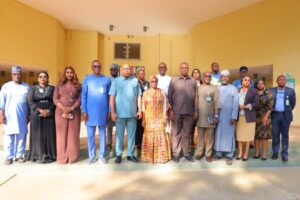
Mahmoud made this known while delivering her remarks at the 17th Scientific Conference and National Workshop of the Dietitians Association of Nigeria (DAN), held at Comrade Olaitan Oyerinde Hall, Labour House, Central Business District, Abuja, under the theme: “The Future of Dietetics in Nigeria: Practice, Innovation and Sustainability.”
The Minister, who was represented by her Special Assistant on Agriculture and Rural Development, Dr. Junaidu Yakubu Muhammad, described the conference theme as timely and strategic, stressing that the future of healthcare in Nigeria must give greater prominence to nutrition, preventive care, and the professional contributions of dietitians in promoting healthier lives and stronger communities.
According to her, Nigeria is currently confronted with complex nutritional challenges, with undernutrition, micronutrient deficiencies, maternal and child malnutrition, and food insecurity persisting alongside a rising burden of obesity, diabetes, hypertension, stroke, and other diet-related non-communicable diseases.
“Nigeria’s nutritional landscape presents us with a double burden that demands urgent and coordinated action. While millions of households still grapple with undernutrition and food insecurity, we are also seeing a worrying rise in obesity, diabetes, hypertension, and other diet-related diseases.
“This reality calls for stronger investment in nutrition, preventive healthcare, and professional dietetic services,” she said.
Speaking further, Mahmoud noted that dietetics has moved beyond its traditional perception as a support service in healthcare, adding that it is now globally recognised as a key pillar of disease prevention, health promotion, recovery, resilience, and sustainable human development.
According to her, “Dietetics is no longer a peripheral component of healthcare. It is central to disease prevention, health promotion, recovery, and the building of healthier societies.
“Dietitians are not only caregivers in hospitals and clinics; they are educators, researchers, advocates, and critical partners in shaping better health outcomes for our people.”
She emphasised that nutrition remains fundamental to human capital development, educational attainment, maternal and child survival, workforce productivity, and national prosperity, noting that no nation can achieve sustainable development while neglecting the nutritional wellbeing of its people.
“A healthy nation is not built by hospitals and medicines alone. It is also built through sound nutrition, preventive care, public enlightenment, and deliberate investments in the wellbeing of citizens.
“Food is not merely for satisfaction; it is a powerful determinant of health, longevity, productivity, and quality of life,” she added.
Mahmoud reaffirmed the commitment of the Federal Capital Territory Administration, under the leadership of the Minister of the FCT, Barrister Nyesom Ezenwo Wike, to improving access to quality healthcare and strengthening systems that support the wellbeing of residents of the Territory.
Dr. Mahmoud also used the occasion to commend the Dietitians Association of Nigeria for providing a platform for scientific exchange, mentorship, and practical dialogue on the future of the profession, noting that such engagements are essential to building a stronger, more responsive, and future-ready dietetics workforce.
In her remarks, the National President of the Dietitians Association of Nigeria (DAN), Prof. Olivia Afam-Anene, called for stronger collaboration, innovation, and sustainability in dietetics practice to address Nigeria’s growing nutrition and health challenges.
The national president, who was represented by Prof. Ogechi Nzeagwu, emphasised that the future of dietetics in Nigeria must be shaped by evidence-based practice, technological advancement, and strategic partnerships with government, development partners, and other stakeholders.
She warned that the growing burden of poor nutrition is contributing to disability, reduced productivity, higher healthcare costs, and slower national development.
According to her, the situation has been worsened by conflict, displacement, climate change, and the lingering public health consequences of the COVID-19 pandemic, all of which have far-reaching nutritional implications for vulnerable populations.
Afam-Anene reaffirmed the commitment of the Dietitians Association of Nigeria to promoting high professional standards through accreditation, continuous training, and adherence to global best practices set by the International Confederation of Dietetic Associations.