WIKE INTENSIFIES EFFORTS TO ELIMINATE OPEN DEFECATION IN FCT
…As a gender-friendly public toilet is commissioned
By: Adama Aminu and Suzanne George Ejewofu
The Minister of the Federal Capital Territory (FCT), Nyesom Wike, is making significant efforts to eliminate open defecation across the Territory by providing public sanitation facilities and other interventions to improve access to safe, hygienic sanitation.
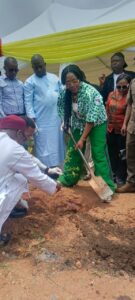
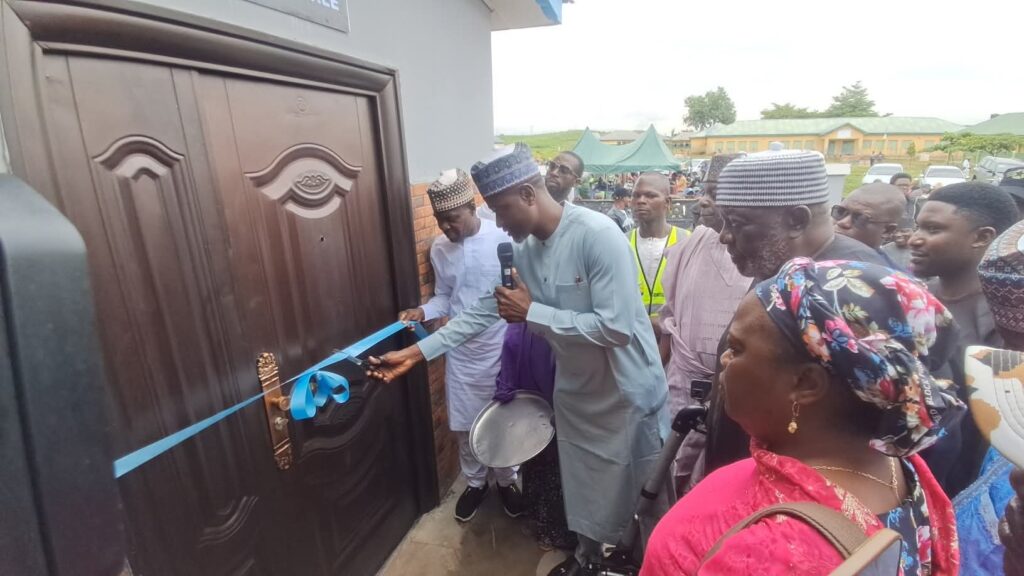
As part of these efforts, the FCT Rural Water Supply and Sanitation Directorate (RUWASSA) has commissioned a gender-friendly public toilet facility in Kwaita Community, Kwali Area Council, Abuja.
The facility, designed to provide safe, accessible and dignified sanitation services for both women and men, is expected to contribute to improved sanitation and hygiene practices in the community and support the campaign to end open defecation in the FCT.
The facility was commissioned on behalf of the Acting Director of FCT RUWASSA, Dr. (Mrs.) Joyce Chinyere Echoke, by the Head of Department, Water Quality, Monitoring and Analysis, Mr. Danladi Umar Katampe.
The project is part of broader interventions to improve sanitation infrastructure and promote the elimination of open defecation in line with Executive Order 009.
The FCT Administration has been emphasizing expanding access to appropriate sanitation facilities, particularly in rural and peri-urban communities where inadequate sanitation infrastructure can contribute to open defecation.
Speaking during the commissioning, Katampe stressed the importance of proper sanitation and responsible use of the newly completed facility.
He called on residents of the Kwaita Community to take ownership of the project and ensure that the facility remains clean, functional, and accessible to all community members.
The initiative, he noted, would only achieve its intended purpose if residents collectively accepted responsibility for its maintenance and continued use.
The Chairman of Kwali Area Council, Hon. Nuhu Daniel, commended FCT RUWASSA and its development partners, including WaterAid Nigeria, Foundation for Sanitation Improvement (FSI) and Black Pelican Limited, for the project.
He assured the partners of the Area Council’s continued support towards ending open defecation in Kwali.
Demonstrating the Council’s commitment to the sustainability of the facility, the Chairman supported the cooperative society responsible for its management with a new generator to facilitate effective operation and maintenance.
The intervention is expected to strengthen the ability of the community to keep the facility operational and available to residents.
Also speaking, the Country Director of WaterAid Nigeria, Evelyn Mere, represented by the Head of Programme, Mr. Napet Chuktu, called for continued collaboration among the community, government and development partners to strengthen the systems required to keep the facility functional and sustainable.
He noted that beyond constructing sanitation infrastructure, the project was designed to provide local residents with the necessary skills, structures and sense of ownership to manage the facility effectively.
He also highlighted the important role of women in sustaining development projects, stressing that sustainable development is strengthened when women are actively involved in decision-making.
The commissioning therefore represents more than the opening of another public toilet. It reflects the FCT Administration’s wider effort to improve sanitation conditions and expand access to safe and dignified toilet facilities in communities across the Territory.
With the Minister’s administration pursuing interventions aimed at tackling open defecation, the provision of facilities such as the Kwaita public toilet is expected to support communities in adopting safer sanitation practices.
The Acting Director of FCT RUWASSA stated that the Federal Capital Territory is working towards declaring Kwali Area Council Open Defecation Free (ODF) by the fourth quarter of 2026.
The target places greater importance on sustaining projects such as the Kwaita facility and ensuring that communities have both the infrastructure and commitment required to end open defecation.
The Kwaita project thus adds to the sanitation interventions being implemented across the FCT and underscores the administration’s stated commitment to improving public health, hygiene and access to basic sanitation, particularly in rural and peri-urban communities.