FCTA TARGETS OVER ONE MILLION CHILDREN FOR 2026 MALARIA PREVENTION CAMPAIGN
…SEEKS STRONGER MEDIA PARTNERSHIP
By: Prudence Okonna and Jennifer Abah
The Federal Capital Territory Administration (FCTA) has announced plans to reach more than one million children during the 2026 Seasonal Malaria Chemoprevention (SMC) campaign, while calling on media practitioners to intensify public awareness and promote accurate information on malaria prevention across communities.
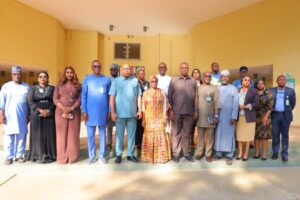
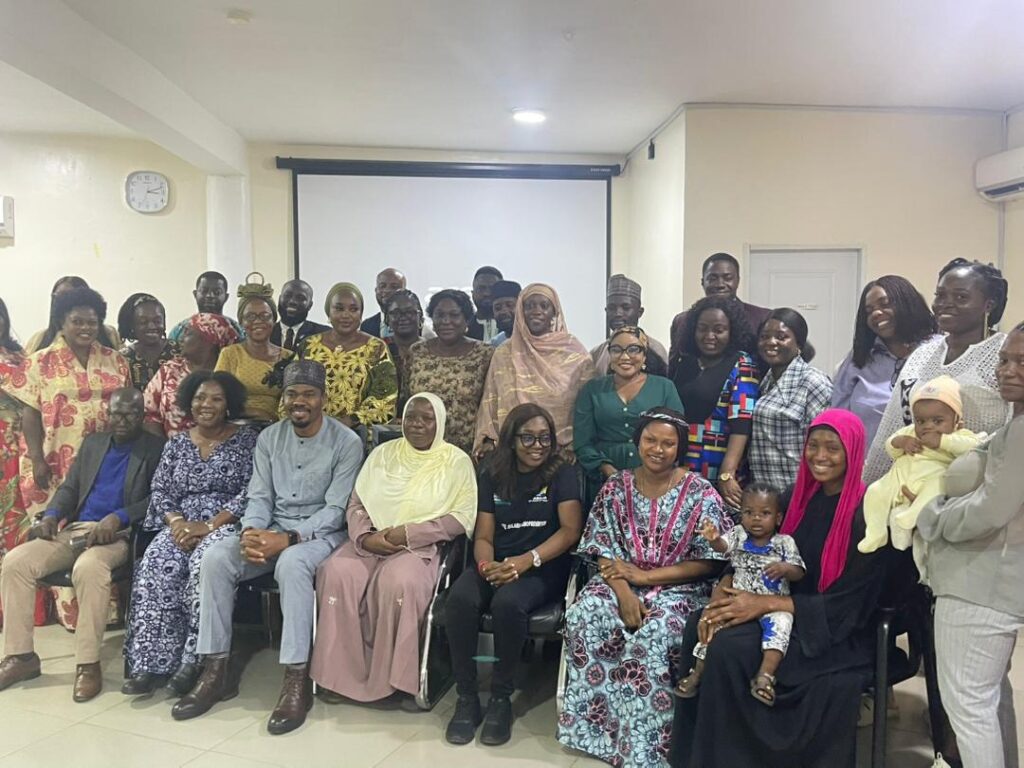
Speaking during a media parley in Abuja on Monday, May 5, 2025, the Programme Manager of the FCT Malaria Elimination Programme, Hajya Zainab Ibrahim, said the FCT had continued to record significant progress in malaria control through support from Malaria Consortium’s sustained implementation of SMC and other complementary interventions.
According to her, malaria prevalence in the FCT has reduced from 18.8 per cent to 7.9 per cent, a feat she attributed in part to the successful implementation of Seasonal Malaria Chemoprevention and to collaboration with stakeholders, particularly the media and the support by the Barr Nyesom Wike Administration, through the Mandate Secretary, Health Services and Environment Secretariat, Dr Adedolapo Fasawe, in line with the Federal Government.
“We were able to reduce our malaria prevalence from 18.8 per cent to 7.9 per cent. We do not joke with SMC in the FCT, even though there are complementary interventions supporting the programme. We cannot implement this without engaging the media and journalists because you are very key in passing information,” she said.
She added that the Administration would continue to collaborate and partner with media organisations to further reduce the burden of malaria in the territory.
Giving an overview of the 2026 SMC implementation, Ibrahim disclosed that the exercise would run in five cycles from June to October 2026 across the six area councils of the FCT through trained Community Drug Distributors. She explained that the programme would cover 274 health facilities and 3,103 settlements.
She stated that the target population for this year stands at 1,015,214 children, including 192,451 children aged between three and 11 months, while over 822,000 children aged 12 to 59 months are expected to benefit from the intervention.
She noted that the FCT had recorded several successes in SMC implementation over the years, including improved public awareness, seamless transition from paper-based documentation to digital systems, uniform implementation across the six area councils and sustained high coverage rates.
The programme manager further said access to gated communities had improved considerably, allowing Community Drug Distributors to reach more eligible children during the exercise.
Despite the achievements, Ibrahim identified challenges affecting implementation, including diversion of SPAQ drugs, and resistance from some caregivers who deny health workers access to homes.
She also expressed concern over demands for food items and insecticide-treated nets before acceptance of SMC drugs in some communities.
Also speaking, the State Programme Manager for Seasonal Malaria Chemoprevention at Malaria Consortium, Dr. Olutomi Sodipo, described the media as critical partners in ensuring the success of the campaign.
She revealed that the organisation had been supporting SMC implementation in the FCT since 2022 and would continue to support the territory in reaching over one million children in 2026.
Sodipo disclosed that with media support, the programme achieved 99.6 per cent administrative coverage in 2025, reaching 983,497 children aged three to 59 months across the six area councils.
“We cannot do SMC without you. This media parley is important because you all serve as voices to spread the word about SMC in the city,” She said.
Earlier, Senior Monitoring and Evaluation Officer at Malaria Consortium, Daniel Emefo, explained that Seasonal Malaria Chemoprevention is a World Health Organization-recommended intervention introduced in 2012 to reduce malaria-related illness and deaths among children.
He said the intervention involves the administration of Sulfadoxine-Pyrimethamine and Amodiaquine, also known as SPAQ, to children aged three to 59 months during the peak malaria season through trained Community Drug Distributors in five cycles running from June to October 2026.
Emefo urged media practitioners to support the campaign by creating awareness, educating caregivers, encouraging completion of all five cycles, promoting retention of child record cards and countering rumours and misinformation.
He reiterated that SPAQ is safe, effective, and free for all eligible children, while advising caregivers to report any concerns to health workers.
Abuja Digest reports that the 2026 Seasonal Malaria Chemoprevention (SMC) campaign in the FCT will be conducted in five cycles from June to October 2026 through trained community distributors. Cycle One will take place from Thursday 11 to Sunday 14 June 2026, while Cycle Two will run from Thursday 9 to Sunday 12 July 2026. Cycle Three is scheduled for Thursday 6 to Sunday 9 August 2026, followed by Cycle Four from Thursday 3 to Sunday 6 September 2026. The final phase, Cycle Five, will be held from Thursday, 1 to Sunday, 4 October 2026.